


A research report on outdoor learning, featured by the BBC and led by researchers including Sue Waite of Plymouth University and Professor Karen Malone of Western Sydney University, makes one thing very clear: outdoor experiences are essential for children’s development.
Children today are growing up in a completely different world.
Phones. Tablets. Gaming. Streaming.
What used to be occasional has become constant. Screens are no longer just part of life. For many children, they are the default setting.
And while technology has its place, the balance has shifted too far.
Children are spending less time outdoors, less time moving, and less time interacting face to face. The effects are not always immediate, but over time they become clear.
Shorter attention spans.
Less patience.
Lower resilience.
Reduced social confidence.
This is not just a lifestyle change. It is a developmental shift.
Screens are designed to capture attention.
Short videos. Instant rewards. Endless scrolling.
Every interaction is built to keep children engaged without effort. The brain becomes used to constant stimulation and immediate feedback.
The problem is that real life does not work this way.
Conversations take effort.
Challenges take time.
Learning requires focus.
When children become used to instant stimulation, they often struggle with anything that requires sustained attention. Tasks that take longer feel frustrating. Situations without immediate reward feel less appealing.
Over time, this can lead to children disengaging more quickly, avoiding challenges, and relying on external stimulation instead of developing internal motivation.
This is often where parents begin to notice the change. Children may lose interest faster, struggle to concentrate, or become less willing to try new things.
The solution is not to remove technology completely. That is not realistic.
The solution is to restore balance.
Children need time away from screens to reset. They need environments where they are not constantly entertained, where they have to think, interact, and engage with the world around them.
A structured camp environment creates that space naturally.
Without screens, children begin to interact differently. At first, it can feel uncomfortable. Some children do not know what to do. They may say they are bored or unsure.
This is normal.
Then something shifts.
They start to look around.
They begin conversations.
They get involved.
👉 explore our residential camps in Thailand and view upcoming dates
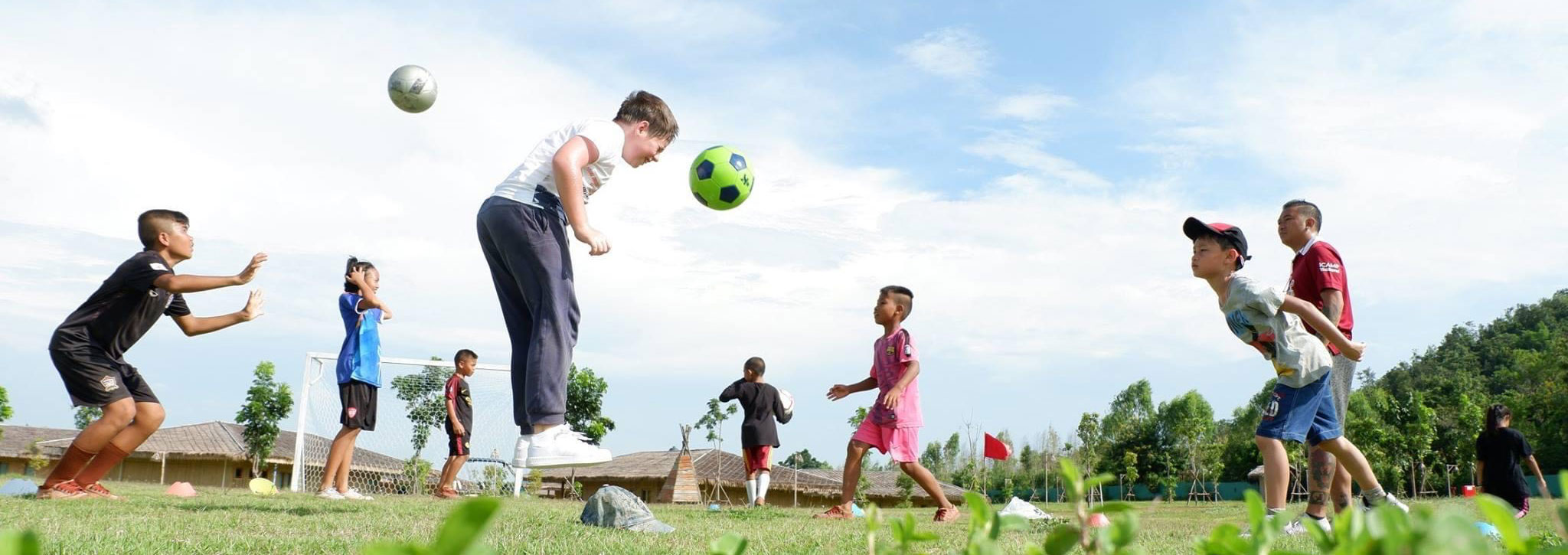
Outdoor play is not just about activity. It is about how children learn and develop.
When children are outside, they are not consuming content. They are creating experiences.
They solve problems in real time.
They work with others.
They make decisions.
They learn from outcomes.
These experiences build confidence, independence, and resilience in a way that cannot be replicated through screens.
Children learn how to manage uncertainty, deal with setbacks, and work through challenges with others.
If you want a deeper understanding of how outdoor learning supports development, you can read:
👉 Why outdoor learning is no longer optional for children today
One of the most noticeable changes when screens are removed is how children begin to engage.
At first, there is resistance.
Children may feel bored. They may not know what to do. Without a device to fall back on, they have to think differently.
Then the change begins.
Attention improves.
Engagement increases.
Confidence builds.
Children begin to focus for longer. They become more present in conversations. They take part more actively in activities.
Instead of being passive, they become involved.
This is where development happens.
They begin to take ownership of what they are doing. They become more aware of others and how to work with them.
Not all screen-free environments are equal.
At home, screens are always available. Even with limits, they remain an option.
At school, screens are often part of learning.
Residential camps are different because they create full immersion.
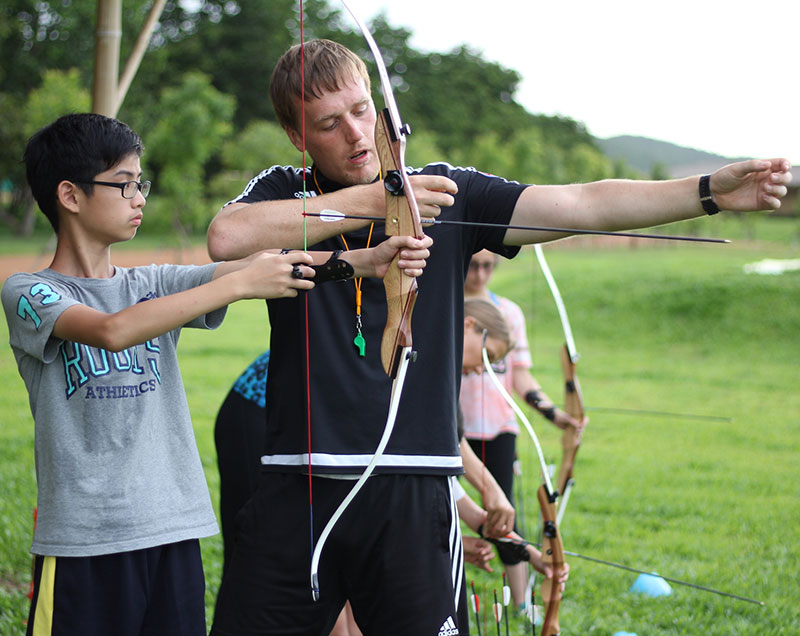
Children are surrounded by new people, new challenges, and new environments. There is no easy return to a device, so they adapt.
They communicate more.
They take initiative.
They become more confident.
This is why residential outdoor experiences are so effective.
The environment removes distractions and replaces them with meaningful activity.
What starts as time away from screens becomes something much bigger.
Children begin to discover what they enjoy.
They develop new interests.
They form stronger friendships.
They build independence.
They realise they do not need constant stimulation to feel engaged.
They begin to value real interaction over passive entertainment.
If you want to see how this builds confidence over time, you can also read:
How summer camps help children build confidence and independence

Sometimes, the most valuable thing you can give a child is space.
Space to think.
Space to try.
Space to fail and try again.
Without constant input, children begin to reconnect with themselves and the world around them.
Longer camp experiences allow this reset to go deeper.
👉 See our full range of camp programmes and longer stay options
To celebrate our 10 Year Anniversary, we are offering something special.
Buy 1 Get 1 FREE on all camps.
Register one camper and bring a friend free of charge.
Two children. One unforgettable experience.
Screens will always be there.
Real experiences need to be created.
Confidence.
Resilience.
Connection.
Independence.
These are built through action, not observation.
If you would like to explore the research behind outdoor learning:
👉 https://www.bbc.com/news/science-environment-36132129
👉 https://www.naturalconnections.org.uk
Tags: screen time vs outdoor play, effects of screen time on children, outdoor learning benefits, kids camp Thailand, digital addiction kids, child development activities, benefits of outdoor play, confidence building for kids, summer camps Thailand
BANGKOK HEAD OFFICE
Monday to Friday – 9 AM to 6 PM
94 UdomSuk Road, Kwang Nongbon, Khet Pravet, Bangkok 10250 THAILAND
Email : info@icampthailand.com
Tel: +66 (0) 2399-5400 ext 503
Line ID : @icampthailand
iCAMP visits (appointment only).
Address : 9/9 Moo 6 Tambon Klondo, Dan Makhamtia District, KANCHANABURI 71260 THAILAND
We offer customized programs for school residential and retreats. The combination of facility and lessons can be tailored to suit the requirement of the school. On one end, there is the possibility to use our facilities only and all teaching/counseling staff provided by the school. Alternatively, we can include lessons in sports, arts, crafts and academic lessons, as desired.
Yes. Please contact us to make an appointment.
By email : info@icampthailand.com
By phone : +66 (0) 2399-5400
All indoor facilities are equipped with A/C.
We can cater to Western, Asian, Halal and Vegetarian meals.
You can also update us on any dietary requirements/restrictions so we can prepare the meals accordingly.
Yes they are welcome to bring their cameras and phones (upon teacher’s approval), however, we do not take any responsibility for lost or damaged items.
We’d love to propose a programme that fits your requirements. Kindly contact us for more details.
By email : info@icampthailand.com
By phone : +66 (0) 2399-5400
Contact us for reservation of dates for your trip.
By email : info@icampthailand.com
By phone : +66 (0) 2399-5400
Campers may choose one week or more, and have option to extend once they have already been at camp.
Ratios are determined based on the age of the camper. In most cases, we follow a 1 to 10 ratio. Please contact us if you wish to discuss your specific age group.
iCamp Thailand has a “no-screen” policy, and is focused on improving kid’s social skill and self-confidence. Therefore campers traveling alone are encouraged to bring a mobile phone to the camp. However, all the mobile devices will be collected in the arrival day when they are check in. They will receive the phone back on the departure day check out time.
Yes, please email us at info@icampthailand.com to make an appointment.
If you like to visit your child at camp we do require that you call or email two days before you would like to visit.
Unfortunately we do not allow parents to call and speak directly with their child as this may cause unnecessary homesickness. We would glad to pass along any messages and let you know who your child is doing. However, if there is an emergency, we will surely allow you to speak with your child.
iCamp Thailand is capable of accommodating some special medical needs. Please contact the office to discuss your child’s needs and how we can work together to make camp a successful experience.
All indoor facilities are equipped with A/C.
You may visit our Facebook page @iCampThailand to view update photos daily.
Our professional chefs serve healthy, kid-friendly and testy meals. Every meal includes an extensive breakfast or salad bar, along with vegetarian, gluten-free, dairy-free and vegan options. Fresh fruits are provide every meals.
Corporate FAQ
What do we offer?
We offer customized programs for corporate trips and company retreats. Itineraries can be tailored to suit the requirement of each group. On one end, there is the possibility to use our facilities only.
How many days can we book the camp?
Options for staying can be overnight trip or 3-5 days.
Can we schedule a tour to see the camp?
Yes. Please contact us to make an appointment.
By email : info@icampthailand.com
By phone : +66 (0) 2399-5400
What is the accommodation like?
Each cabin has 6 bunk beds and 2 private rooms.
What type of food do you serve?
We can cater to Western, Asian, Halal and Vegetarian meals
Where do I get a sample itinerary?
We’d love to propose a programme that fits your requirements. Kindly contact us for more details.
By email : info@icampthailand.com
By phone : +66 (0) 2399-5400
How can I reserve a date for our trip?
Contact us for reservation of dates for your trip.
By email : info@icampthailand.com
By phone : +66 (0) 2399-5400