

What Sweden’s Schools Are Teaching the World About Screens, Learning, and Real Experiences
Across the world, classrooms have changed dramatically in the past twenty years.
Tablets replaced textbooks.
Laptops replaced notebooks.
Screens became part of everyday learning.
For a long time, this seemed like the future of education.
Digital learning promised faster access to information, interactive lessons, and new digital skills for a modern world.
But recently something surprising happened.
One of the world’s most respected education systems decided to reduce the use of screens in classrooms and return to some traditional methods of learning.
That country is Sweden.
Swedish schools are now encouraging more reading from books, more handwriting, and less screen time for younger students.
This change has started an important global conversation.
Are children spending too much time learning through screens?
And what happens when learning includes more real experiences, movement, and exploration?

Sweden Has One of the World’s Most Respected Education Systems
Sweden has long been known for high quality education.
The system focuses not only on academic results but also on helping children develop as individuals.
Students are encouraged to:
- ask questions
- think independently
- work together
- explore ideas creatively
Teachers are highly trained and trusted professionals. They have the freedom to guide students and adapt lessons to meet different needs.
Schools also focus strongly on equality. Children from different backgrounds should have the same opportunities to succeed.
Because of these values, Sweden is often studied by educators around the world.
When Sweden changes its approach to education, many countries pay attention.
Sweden Once Led the World in Digital Classrooms
About twenty years ago Sweden became one of the pioneers of digital education.
Many schools introduced tablets and laptops for students. In some classrooms, traditional textbooks were replaced entirely with digital learning materials.
Lessons moved online.
Homework was submitted digitally.
Students read more from screens.
At first this approach looked exciting and modern.
Technology allowed quick research, interactive learning, and new ways for teachers to present ideas.
Sweden became known as a leader in digital classrooms.
But over time teachers began noticing some unexpected challenges.
Teachers Started Seeing Problems With Too Much Screen Learning
After several years of heavy digital use, teachers began reporting similar concerns.
Students often found it harder to concentrate when working on screens for long periods.
Some younger learners struggled with reading comprehension when most reading happened on digital devices.
Teachers noticed that students sometimes skimmed quickly rather than reading carefully.
Researchers studying learning began to observe the same pattern.
Reading from physical books often leads to deeper understanding compared with reading from screens.
Screens encourage fast scanning of information. Books encourage slower and more thoughtful reading.
Over time this difference can affect how well students learn and remember information.
Sweden decided it was time to rebalance the system.
Sweden Is Bringing Books and Handwriting Back
Instead of ignoring these findings, Sweden adjusted its approach.
The government began investing more in:
- printed textbooks
- school libraries
- structured reading programmes
- handwriting development
Technology is still used in Swedish classrooms. Students continue to learn digital skills and use computers.
But screens are no longer replacing the foundations of learning.
Young students now spend more time reading books and writing by hand before moving heavily into digital tools later in their education.
Why Reading Physical Books Helps the Brain
Scientists studying learning have discovered that reading printed books activates the brain differently from reading on screens.
When children read from a physical book they turn pages and can see their progress. Their brain forms a mental map of where information appears in the text.
This spatial awareness helps memory and understanding.
Books also reduce distractions.
There are no notifications, pop ups, or links pulling attention away from the text.
For younger learners especially, this focused environment supports deeper comprehension.
Prefer to Read This Article on Paper?
Research suggests that many people absorb information better when reading from paper rather than screens.
For readers who prefer that experience, we have created a print friendly version of this article.
You can download the printable PDF version here and enjoy reading it away from notifications and scrolling.
How Screens Affect the Brain’s Reward System
Researchers studying behaviour and neuroscience have explored how digital media affects attention and motivation.
Many apps, games, and social media platforms stimulate the brain’s dopamine reward system.
Dopamine is a chemical linked to motivation and reward.
Digital platforms trigger frequent bursts of stimulation through scrolling feeds, notifications, and instant feedback.
Researchers sometimes describe this as dopamine driven reward conditioning.
Over time, constant stimulation can make slower activities such as reading or deep thinking feel less engaging.
This does not mean technology is harmful by itself.
The key factor is balance.
Why Outdoor Experiences Help Restore Attention
Nature and physical activity have a very different effect on the brain.
Researchers often refer to Attention Restoration Theory, which suggests natural environments help the brain recover from mental fatigue.
Outdoor experiences can improve:
- concentration
- creativity
- emotional wellbeing
- problem solving
- social connection
Activities such as kayaking, hiking, and team challenges allow students to move, think, and interact with others in meaningful ways.

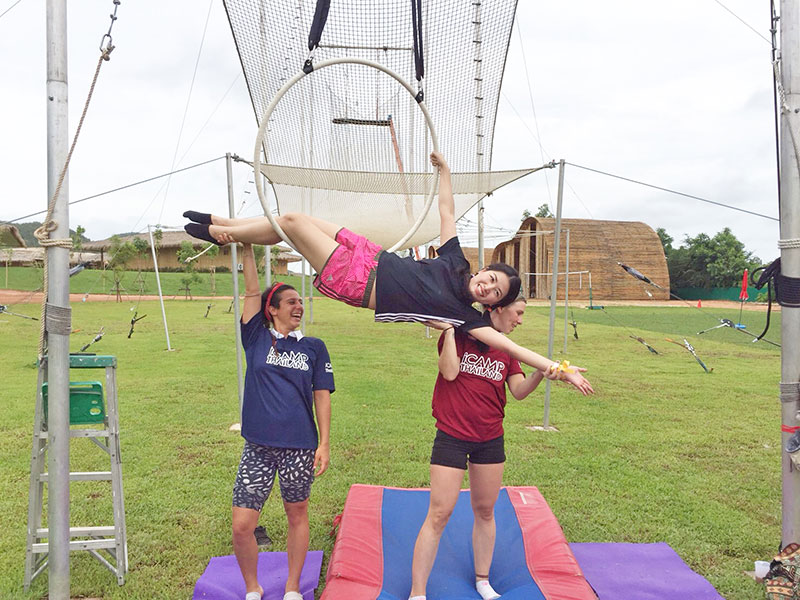
Children Do Not Only Learn Inside Classrooms
Experiential learning plays an important role in childhood development.
Through real experiences children develop:
- resilience
- teamwork
- leadership
- communication
- confidence
Why Children Sometimes Need to Unplug
When children spend time away from screens they often rediscover curiosity.
They explore more.
They interact more.
They focus more deeply.
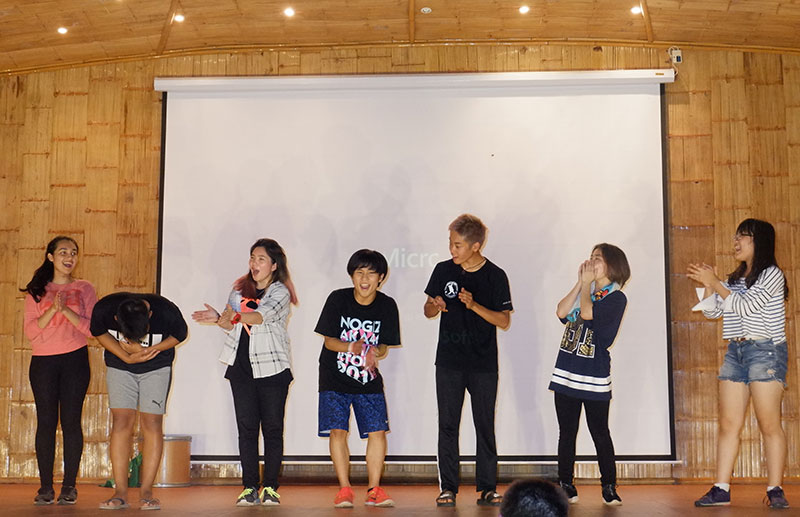

Helping Children Discover the World Beyond Screens
If you are interested in experiences that help children unplug, explore nature, and build confidence, you can learn more about our Songkran Camp and Summer Camp programmes here.
What Do You Think?
We would love to hear your thoughts.
- Do you think children today spend too much time on screens?
- Have you noticed differences in focus when children spend time outdoors?
- What experiences help children develop confidence?
- If your child could spend a week away from screens, what would you want them to experience?
Share your thoughts in the comments.
If you enjoyed this article, please comment and let us know.
You can also tell us what subjects you would like us to cover in future articles.
The Science Behind Screens and Learning
Educators increasingly recognise that excessive screen exposure can fragment attention and reduce deep focus in children. Research into dopamine driven reward conditioning suggests highly stimulating digital environments encourage rapid reward seeking behaviour, making slower cognitive tasks such as reading and problem solving more difficult. Outdoor environments and experiential learning support attention restoration, improve cognitive regulation, and strengthen social development.
Join Us At iCAMP




Tags: screens in schools, screen time children learning, benefits of reading books vs screens, outdoor learning benefits, experiential learning children, attention restoration theory kids, children focus outdoor activities, dopamine and screen time children

BANGKOK HEAD OFFICE
Monday to Friday – 9 AM to 6 PM
94 UdomSuk Road, Kwang Nongbon, Khet Pravet, Bangkok 10250 THAILAND
Email : info@icampthailand.com
Tel: +66 (0) 2399-5400 ext 503
Line ID : @icampthailand
iCAMP visits (appointment only).
Address : 9/9 Moo 6 Tambon Klondo, Dan Makhamtia District, KANCHANABURI 71260 THAILAND